> homelab · build 06
My Passwords, My Server
Vaultwarden behind my own HTTPS, sign-ups closed and tested, and three layers of backups for the one container I can't afford to lose.
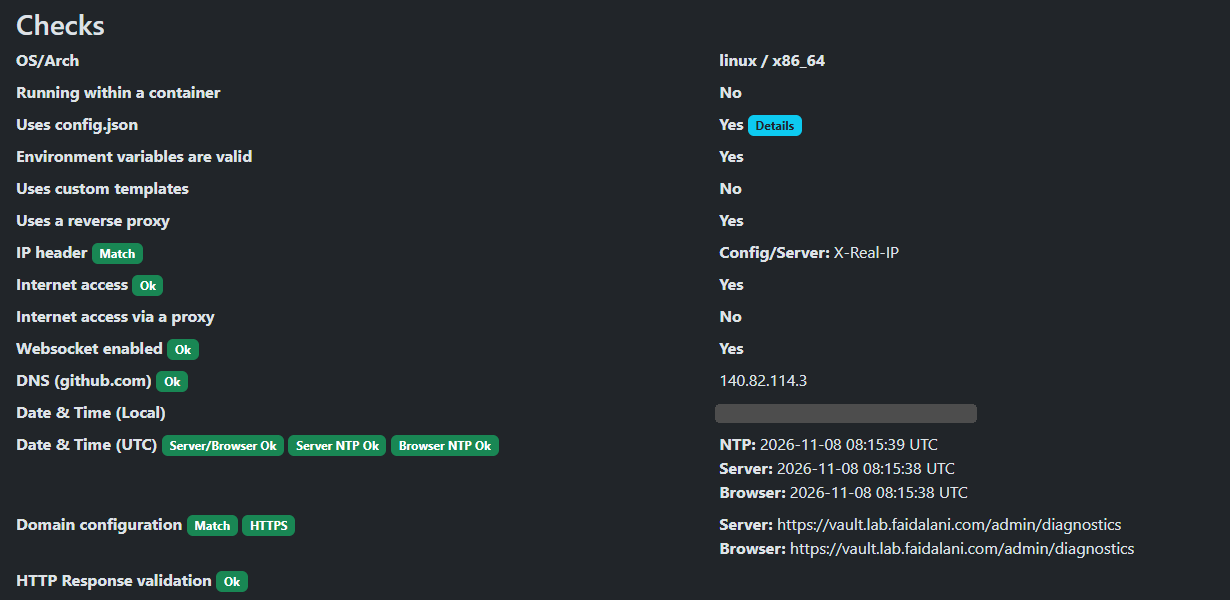
My passwords lived in Chrome. Build 06 moved them into Vaultwarden, a lightweight server for Bitwarden that I run in my Proxmox lab. My phone, browser and PC use the official Bitwarden apps, pointed at vault.lab.faidalani.com instead of bitwarden.com. It's reachable at home and over Tailscale, with no ports open on my router.
The part that makes this safe to self-host is zero-knowledge encryption. Each device encrypts the vault with my master password before anything is sent, so the server only ever stores encrypted data. The flip side: there is no "forgot master password." Nobody can reset it, including me as the admin.
The security parts
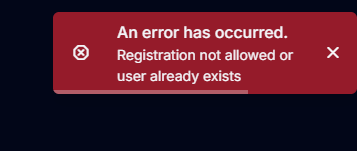
- Sign-ups closed, then tested. One line in the config turns registration off. Proving it took one failed attempt with a made-up account. The refusal is deliberately vague, "not allowed or user already exists," so the form can't be used to check which emails have accounts. That's called user enumeration.
- A hashed admin token. The admin panel's token is 40 random characters, and the config file stores only an Argon2 hash of it. Reading the file doesn't give you the token.
- 2FA with an offline recovery code. An authenticator app protects the login, and the recovery code lives on paper. A recovery code stored inside the vault it unlocks would be useless.
- Three layers of backups. Nightly snapshot backups of the container, an encrypted export kept off the server, and a restore test. The first sits on the same disk as Proxmox, which is exactly why the second exists.
The bugs worth sharing
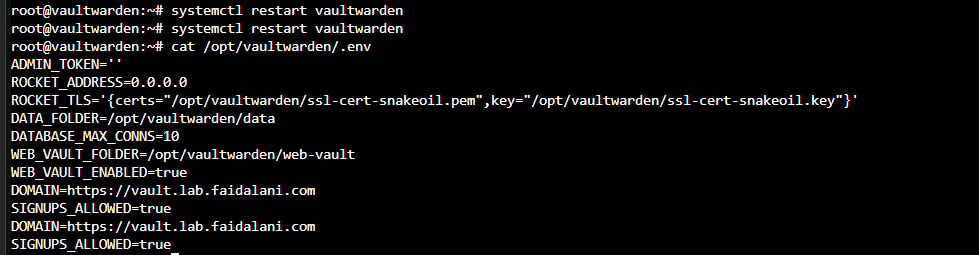
- The console pasted twice. Two config lines went in two times. Harmless with identical values, but when a setting appears twice the last one wins. Had I flipped only the first sign-up line to "false," the second "true" would have quietly kept registration open. Now I read every file back after editing it.
- A 10-second default. The update tool's menu picks "rebuild from source" after 10 seconds. With the container slimmed down to 1 GB of RAM, hesitating would have started exactly the out-of-memory rebuild it warned about.
- A hidden config file. Saving anything in the admin panel creates a file that overrides the main config. Two places for settings, and the hidden one wins. I moved it aside: settings live in one file, and the admin panel is for looking.
Known gaps
The admin page is still reachable from my home network, there's no email server for new-login alerts, and failed logins aren't monitored yet. Vaultwarden already logs them with the real client IP, which is what the Wazuh phase will pick up. Phase 2 is complete. Next comes OPNsense and the segmented lab networks.
The full walkthrough, every setting and every screenshot are on GitHub.
Read the full write-up →